
Ensuring Family Health During Winter: Practical Tips for Indoor Well-Being
As the winter months approach, families often find themselves spending more time indoors due to the colder temperatures and shorter daylight hours. While this season can foster togetherness and create cherished memories, it also poses challenges for maintaining health and wellness. The enclosed spaces lead to increased exposure to germs and reduced air quality, which can take a toll on the overall well-being of family members.
Parents are increasingly recognizing the importance of fostering a healthy indoor environment, particularly during winter months when illness is more prevalent. To mitigate these concerns, several strategies can be implemented to improve indoor hygiene and air quality.
Promote Good Hygiene Practices
One of the most effective ways to reduce the spread of illness-causing germs is to promote good hygiene habits among family members. Encourage frequent handwashing with soap and water, particularly after returning home from outings, before meals, and after using the restroom. Hand sanitizers should also be readily available, especially in shared spaces.
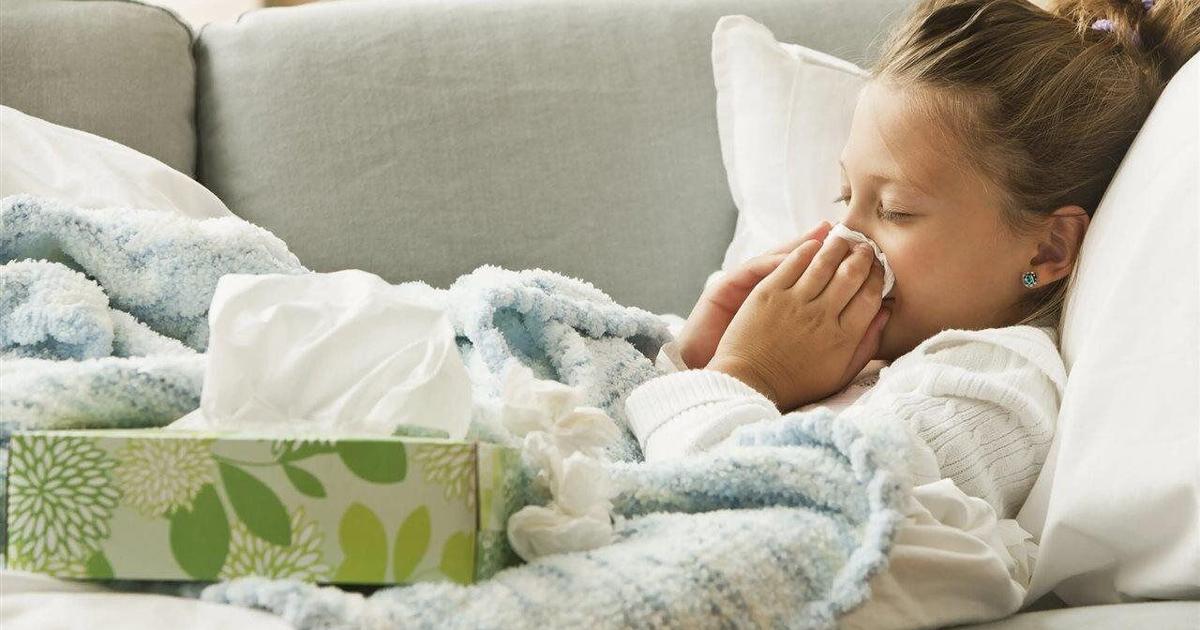
In addition, teaching children to cover their mouths when coughing or sneezing can significantly decrease the transmission of respiratory infections. Using disposable tissues or elbow-coughing techniques adds an extra layer of precaution.
Improve Indoor Air Quality
The quality of indoor air often diminishes during winter due to closed windows and reliance on heating systems. To combat this, consider the following measures:
1. Ventilation: Whenever possible, allow fresh air to circulate through the home, even briefly. Opening windows for just a few moments can drastically improve air quality by reducing indoor pollutant levels.
2. Air Purifiers: Investing in high-efficiency particulate air (HEPA) purifiers can help trap allergens, dust, and viruses, making the air cleaner and safer for residents.
3. Humidity Control: Maintaining an optimal humidity level (between 30-50%) can prevent the spread of germs. A humidifier can assist in keeping the air moist, which is essential for respiratory health, particularly in dry winter months.
Regular Cleanliness Maintenance
Regular cleaning of high-touch surfaces, such as doorknobs, light switches, and mobile devices, is critical. Disinfecting these areas with appropriate cleaning agents can help further eliminate harmful pathogens.
Additionally, regular washing of bedding, towels, and clothing is essential in reducing the presence of germs. This routine helps ensure that your family’s daily environments remain as sanitary as possible.
Conclusion
By implementing these practices, parents can cultivate a healthier home atmosphere during the winter months. Prioritizing good hygiene, enhancing air quality, and maintaining cleanliness not only protects the health of family members but also enriches their winter experience, facilitating a cozier, more enjoyable indoor environment. As families navigate the chilly season, these proactive steps will serve to bolster their overall well-being and ensure a warm, inviting home.