
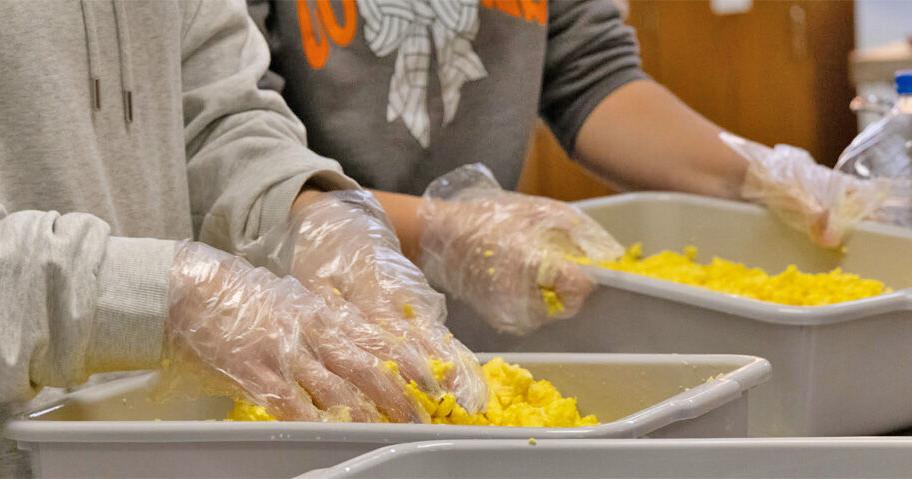
In a remarkable initiative that underscored the intersection of education and community service, students in Mr. Chris Krenzin’s culinary classes recently mobilized to prepare 250 meals for families experiencing food insecurity in Dickinson County. This effort, which took place two weeks ago, not only highlights the skills cultivated in culinary education but also epitomizes the ethos of compassion and service that is essential in today’s society.
The culinary project served as a hands-on learning experience for students, enabling them to apply culinary techniques while developing a deep sense of social responsibility. As they engaged in meal preparation, students learned about nutritional values, food safety, and cooking methods, all of which are fundamental aspects of culinary arts education. By participating in this initiative, the students not only honed their culinary skills but also gained invaluable insights into the challenges faced by vulnerable populations in their community.
Mr. Krenzin emphasized that the initiative was designed to foster empathy among students, illustrating the vital role that education plays in shaping socially conscious individuals. “Cooking is about more than just creating dishes; it’s about connecting with our community and understanding the needs of those around us,” Krenzin stated. The meals prepared by the students were thoughtfully created to provide not just nourishment but also comfort, reflecting a commitment to quality and care.
This event has sparked conversations about food insecurity, a pressing issue that affects many communities across the nation. According to recent surveys, food insecurity levels have surged, particularly in light of economic challenges exacerbated by the pandemic. By actively participating in solutions, students are becoming advocates for change, raising awareness about the urgent need for community support systems.
The collaboration between educational institutions and local organizations is crucial in addressing such social challenges. Events like this not only serve immediate needs but also inspire students to become lifelong advocates for social change, reinforcing the idea that education should extend beyond the classroom.
As the students of Mr. Krenzin’s culinary classes reflect on their contributions, they emerge not only as skilled cooks but as agents of change, equipped to make meaningful impacts in their communities.